



-
Technical/Service
-
Brands
-
Information
-
References
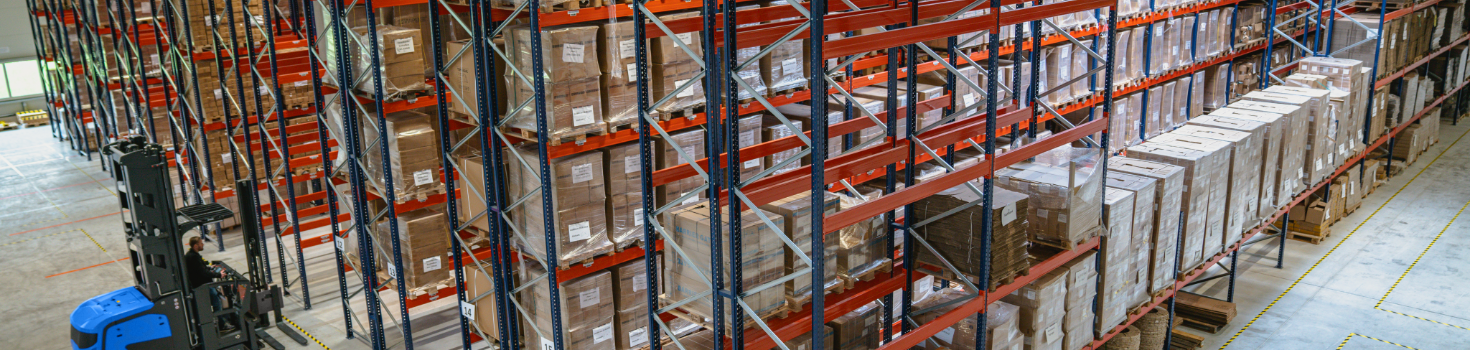
Save Time, Optimise Processes, Invest in Growth
A warehouse is the heart of many businesses – whether in retail, manufacturing or logistics. Yet while products, processes and customer demands are constantly evolving, warehouse structures often remain unchanged for years. This can lead to inefficient workflows, wasted time and increasing costs. “Many companies underestimate the impact an optimally structured warehouse can have on productivity and profitability, and only realise the need for improvements once problems have already arisen. A timely warehouse redesign can prevent bottlenecks and increase efficiency in the long term,” explains Jürgen Effner, Managing Director of TOPREGAL GmbH.
When a warehouse reorganisation becomes necessary
Growth, changing product ranges or new legal requirements are common reasons to reassess a warehouse setup. Although many businesses develop their logistics over time, they often lack a clear concept for the efficient use of available space. However, disorganised warehousing can have serious consequences: long search times and inefficient routes waste valuable working hours; lack of space and poor organisation hinder optimal use; and rigid shelving systems make it difficult to adapt to changing storage needs. Furthermore, error rates increase when confusing layouts lead to incorrect picking and delivery delays. “Anyone regularly facing bottlenecks, chaos or long search times should urgently consider a reorganisation,” advises Effner. “If employees are losing time every day searching for or rearranging goods, this quickly adds up to significant productivity losses. The right warehouse structure eliminates these time-wasters and ensures smooth operations.”
How optimised structures boost efficiency
A warehouse reorganisation doesn’t have to be costly or complicated – provided it is properly planned. A detailed analysis of the warehouse’s requirements is essential. This includes factors such as short, logical travel routes, shelving structures suited to the product range and picking methods, and optimal use of available space. In addition, safety and ergonomic requirements must always be taken into account. A key element in the optimisation process is selecting the right shelving systems. “Flexible, modular shelving allows for quick adaptation to changing requirements,” says Effner, adding: “Our shelving systems can be customised, expanded, and reconfigured to suit new conditions.” As warehouse space is expensive, unused or inefficiently utilised areas result in unnecessary costs. Businesses that optimise their logistics can often achieve significantly greater capacity using their existing footprint.
Why flexibility is crucial for the future
TOPREGAL offers companies a straightforward way to optimise their warehouse layout. With the help of online configurators, customised pallet, storage and cantilever racking systems can be designed quickly and easily to integrate seamlessly into existing workflows. Thanks to high stock levels, most products are available immediately, with delivery times within Germany typically only 1–3 days. “A well-organised warehouse saves time, reduces errors and makes daily operations significantly easier. Companies that regularly review and refine their processes will be more successful in the long term,” concludes Effner, adding: “Investing in a smart storage solution today creates room for future growth. Our modular shelving systems can be flexibly expanded and reconfigured as needed – without costly conversions or operational disruptions.”